
Electrical Safety Checks in Sydney: What's Included, Costs & Compliance
What does an electrical safety check include in Sydney? Residential and workplace inspections, certificate checks, typical costs, and what a licensed electrician actually tests.
If you are searching for electrical safety checks, you are usually trying to answer one of three questions: is my property safe right now, what paperwork should I have on file, and what will it cost to find out? In Sydney, electrical safety is not one generic box to tick. A home switchboard inspection, a workplace plug-in equipment program, and an electrical safety certificate check after renovation work are related, but they are not the same job.
We carry out electrical safety inspections across Greater Sydney for homeowners, landlords, and small businesses who want a clear picture of their installation before faults, insurance issues, or compliance questions escalate.
Electrical safety check (quick answer)
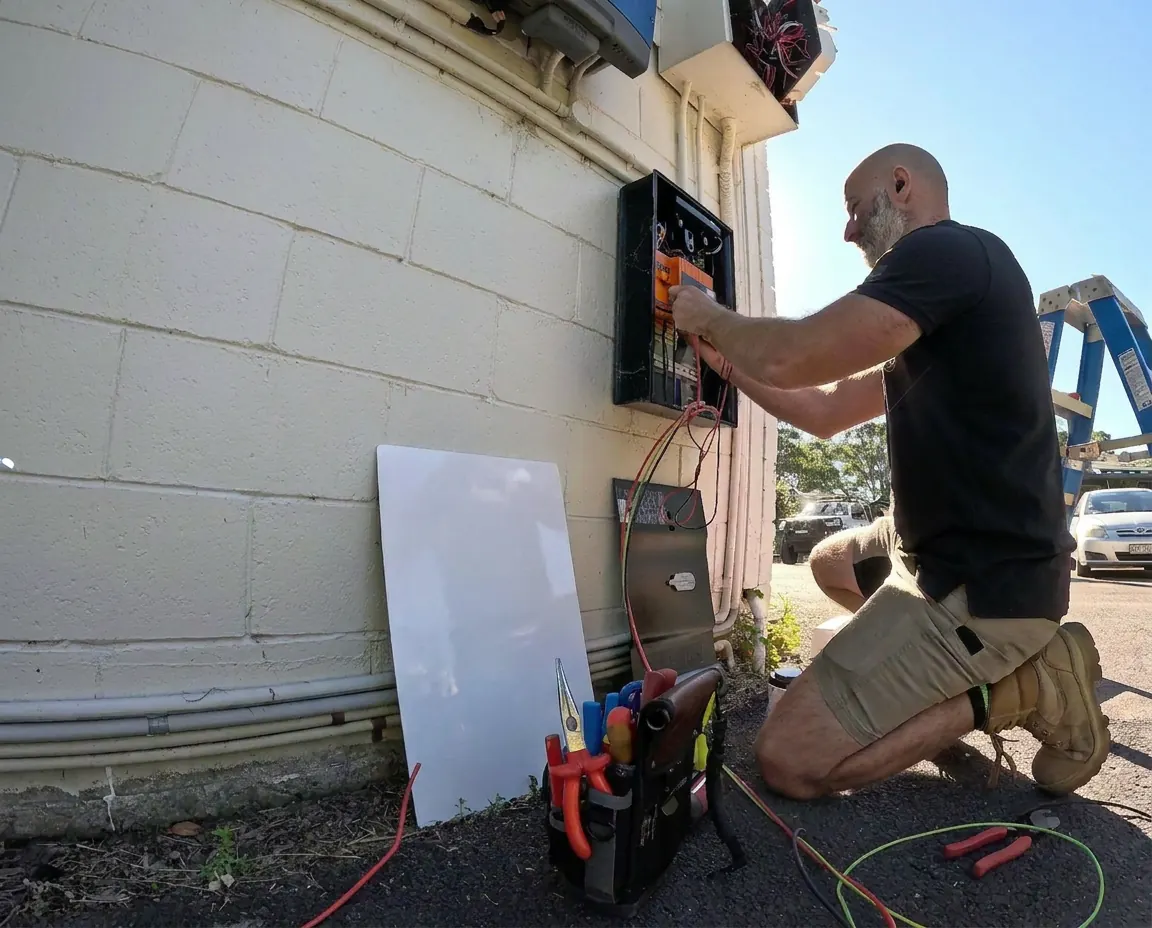
An electrical safety check in Sydney is a licensed inspection of the fixed installation: switchboard, safety switches (RCDs), earthing, and a sample of circuits. You leave with a written report, not a verbal once-over. If you need the check booked, use our electrical safety inspection page. This guide covers what is tested, what it costs, and which document you actually need.
- A licensed electrician inspects and tests your fixed installation: switchboard, protection devices, earthing, and representative circuits
- You receive a written report outlining urgent risks, recommended repairs, and what can wait
- Workplace electrical safety also covers plug-in equipment under national WHS duties, often through AS/NZS 3760 or AS/NZS 3012 testing programs
- A CCEW is paperwork for notifiable installation work. It is not the same document as an inspection report
- Residential inspection costs in Sydney commonly sit in a few hundred dollars. Scope and property size move the price
What is an electrical safety check?
An electrical safety inspection is a structured assessment of your property's fixed electrical installation. The goal is to find defects, wear, and non-compliance before they become shocks, fires, nuisance tripping, or insurance problems.
That is different from test-and-tag programs for portable tools and leads, which fall under electrical safety in the workplace rules. Under the model WHS laws adopted in NSW, PCBUs must ensure plug-in equipment in hostile environments is regularly inspected and tested by a competent person, with records kept until the next test.
It is also different from issuing a Certificate of Compliance for Electrical Work (CCEW) after new installation work. A CCEW confirms specific notifiable work was completed to standard. An inspection report describes the condition of what is already installed.
What's included in a residential electrical safety inspection
Every property is different, but a thorough residential electrical safety check in Sydney typically covers the following.
Switchboard and protection
- Visual inspection of the switchboard: enclosure, labelling, signs of heat damage, and obsolete components
- Circuit breaker and fuse condition; signs of overloading or poor terminations
- Operation and sensitivity of safety switches (RCDs) where installed
- Earthing and main bonding visible at the board
Circuits, outlets, and fixed fittings
- Testing of representative power points and switches for polarity, earthing, and insulation resistance where applicable
- Checks on lighting circuits, including obvious DIY alterations or damaged fittings
- Smoke alarm interconnection and location checks where relevant to the brief
- Identification of common fault points: damaged cables, unprotected joints, or non-compliant extensions
Documentation and reporting
You should receive a written report that separates urgent hazards from maintenance items. If follow-on work is needed, we quote that separately with a defined scope - and we recommend checking the business and getting multiple quotes before you commit.
Electrical safety in the workplace
If you run a business, you are a PCBU under NSW work health and safety law. That means managing electrical risk is not optional. Safe Work Australia outlines duties to inspect and test plug-in electrical equipment used in conditions likely to cause damage - moisture, heat, vibration, dust, or mechanical stress.
In practice, many Sydney workplaces demonstrate compliance through AS/NZS 3760 (general in-service inspection and testing) or AS/NZS 3012 on construction and demolition sites, where testing intervals are tighter - often quarterly for portable equipment on site.
Fixed installation vs portable equipment
- Fixed wiring, switchboards, and hard-wired plant: assessed by a licensed electrician as part of an electrical safety inspection
- Portable tools, extension leads, and hire equipment: inspected and tested under WHS duties, with records specifying tester, date, outcome, and next test due
- Failed equipment must be removed from service until repaired or replaced
Workplace programs should be documented. During a regulator visit, testing records and tags are commonly requested - not just whether equipment looks fine on the day.
Electrical safety certificate check: CCEW vs inspection report
People often ask us to do an electrical safety certificate check when they mean one of two things: verifying a CCEW exists for past work, or getting an independent inspection of the property today.
Certificate of Compliance for Electrical Work (CCEW)
- Issued by a licensed electrician for notifiable electrical installation work in NSW
- Confirms the described work was completed and tested to the applicable rules
- Submitted to NSW Fair Trading; from July 2026, many certificates move to the BCNSW eCert portal
- Useful when buying a home, after renovations, or when an insurer asks for proof of compliant work
Inspection report (condition assessment)
- Documents the present condition of the installation - not just work done on one job
- Identifies latent defects, aged components, and protection gaps even where past work was compliant at the time
- Does not replace a CCEW for new work, and a CCEW does not prove the whole property is currently safe
If you are unsure which you need, ask before booking. Our guide on how to choose an electrician in Sydney covers licence verification and when to request a CCEW upfront.
Electrical safety check cost in Sydney
There is no single regulated price for an electrical safety check. Cost depends on property size, access, age of the installation, and how deep the brief goes.
Typical residential ranges
- Basic safety check (single dwelling, standard switchboard): often from around $250–$400
- Larger homes, multi-level properties, or older boards with ceramic fuses: often $400–$600+
- Pre-purchase or landlord compliance briefs with extended reporting: priced to scope
Those ranges reflect common Sydney market pricing for a licensed electrician - not a quote. We confirm price after a short description of the property and what you need the report for.
What affects the price
- Number of circuits and sub-boards
- Whether RCD testing, insulation resistance tests, or thermal imaging is included
- Travel within Greater Sydney and after-hours attendance
- Follow-on repairs quoted separately once defects are identified
A cheap checklist with no testing is not the same as an electrical safety inspection. If the quote does not describe what will be tested, ask.
When to book an electrical safety check
- Buying or selling a property, especially pre-1980s homes with original boards
- After major renovations, storm damage, or recurring tripping
- Homes built or renovated between 2010 and 2013 where recalled Infinity cable may have been used - a licensed inspection is the safe check
- Landlord obligations before a new tenancy or after a long vacancy
- Older installations with ceramic fuses, no RCD protection, or DIY alterations
- Businesses reviewing electrical safety in the workplace after an incident, audit, or insurance renewal
- Before quoting switchboard upgrades so scope is based on facts, not guesses
Rental, sale, and pre-purchase electrical safety checks
Searches for an electrician safety check usually fall into one of three jobs. The test method is similar. The brief and the paperwork you keep are not.
Pre-purchase (buying)
A building and pest report will not open the switchboard or test RCDs. A pre-purchase electrical safety check tells you whether the board is original, whether rubber-insulated wiring is still in the roof, and what rectification might cost before you settle. Book it as an electrical safety inspection in Sydney and tell us it is a purchase. We write the report so you can take it to the agent or your solicitor.
Sale (selling)
Sellers book a check when a buyer has raised electrical questions, an insurer has asked for evidence, or the home still has ceramic fuses. The report lists what is urgent versus what a buyer can plan later. That is more useful than a last-minute guess on the switchboard.
Rental (landlord or incoming tenant)
NSW does not set a fixed inspection interval for rental wiring, but landlords still have to keep the premises in a reasonable state of repair. Property managers often want a written check before a new tenancy, after a long vacancy, or when a tenant reports tripping, heat at the board, or missing safety switches. Same inspection, different audience: the report needs to be clear enough for a managing agent to act on.
If you already know which of those three you need, skip the rest of this guide and book the inspection. If you are still deciding what the electrician should test, keep reading.
What happens after the check
A good inspection should leave you with a prioritised action list, not a sales pitch for work you do not need.
- Urgent hazards: isolate or make safe where possible; quote rectification with clear scope
- Recommended upgrades: RCD protection, switchboard modernisation, or circuit splitting scheduled to budget
- Monitor items: document for the next inspection cycle without immediate work
If the check finds protection gaps, we can quote RCD installation or upgrade or a switchboard upgrade as a follow-on job. If the issue is intermittent, fault finding may be the next step instead of a blanket rewire.
RCD and protection standards worth knowing
Modern RCD requirements in NSW have tightened over time. Type AC RCDs are prohibited in new installations, and many older boards still lack adequate protection on all required circuits. An inspection identifies where your installation sits against current expectations - not just what was legal when the house was built.
Free checklist
Before you book an electrical safety inspection
Work through these steps before you book - save, screenshot, or print for your records.
- Step 1: Define the brief - pre-purchase, landlord, peace-of-mind, or post-renovation certificate check
- Step 3: Ask what is included - switchboard, RCD trip tests, outlet sampling, written report
- Step 5: For workplaces, separate fixed-installation checks from portable equipment testing under AS/NZS 3760 or 3012
- Step 6: Get a written quote before attendance - see ACCC guidance on checking a business
Need an electrical safety inspection in Sydney? Contact us with the property type, suburb, and what triggered the check - we will confirm scope and pricing before we book a visit.
Useful resources
- Book an electrical safety inspection in Sydney - Commercial booking page: written report, fixed price, Greater Sydney
- Electrical safety - WHS duties (Safe Work Australia) - National model WHS duties for electrical equipment in workplaces
- Managing electrical risks in the workplace - model Code of Practice - AS/NZS 3760 testing guidance and competent-person requirements
- Electrical safety - managing risks (Safe Work Australia) - RCDs, equipment arrangement, and record-keeping
- Electrical inspection and testing (SafeWork NSW) - NSW enforcement context for workplace plug-in equipment
- Checking a business is genuine (ACCC)
- Infinity cables recall - when to get wiring checked (ACCC)
- Who is your electricity distributor? (Australian Energy Regulator)
- Electrical Regulatory Authorities Council (ERAC) - National coordination of electrical safety regulators
- Electrical compliance requirements and CCEW (NSW Government)
- BCNSW eCert portal - Online CCEW submission from July 2026
- RCD compliance and Type AC prohibition (NSW Government)
- NSW electrical licensing requirements
- Check a builder or tradesperson licence (Service NSW)